Business Industry Capital
|
България
|
|  | |
|
Валутни курсове
(09.10.2026) |
|---|
| |
GBP |
|
1.18070 |
|
| USD |
|
0.89400 |
| CHF |
|
1.07230 |
| EUR/USD |
|
1.1186* |
|
* определен от ЕЦБ |
|
ОЛП |
| |
от 01.12 |
|
1.81% |
|
|
|
|
Финансови новини |
|
Обявите за работа през септември в България намаляват с 9,5% спрямо същия месец на миналата година. Намалява търсенето на хора в повечето сектори от икономиката. В сферата на информационните технологии обявите за работа са с 22% по-малко. Най-осезаемо увеличение в търсенето на хора спрямо предходния месец има в сектора “Търговия и продажби”, където ръстът е със 7,4%. Повече предложения за работа има и в сектора “Маркетинг и реклама” - около 8,7%, както и в категорията “Човешки ресурси” - близо 8%. При здравеопазването и фармацията увеличението е по-умерено - 2,4%. Най-много предложения за работа има в сектора “Търговия и продажби” - около 27% от всички обяви. Следват производството с близо 18% от обявите, хотелиерството и ресторантьорството с 13%, и административните и обслужващите дейности с около 11%. При международната търговия извън еврозоната доларът запазва водещата си позиция, а значителна част от тези плащания се насочва на изток, по данни от Барометър за скоростта на международните плащания за 2026 г. на компанията. Анализът обхваща над 252 хил. SWIFT плащания на клиентите ѝ в Европа през миналата година и позволява да се проследят тенденциите на отделните пазари, включително България. Плащанията от България преминават през SWIFT мрежата средно през 1,5 банки посредници на плащане спрямо средно 1,8 за Европа. Сред българските клиенти на iBanFirst щатският долар има дял от 67% по брой на международните плащания при средно 56% сред европейските клиенти на компанията. В същото време делът на плащанията в евро нараства от 14% на 22%, докато този в левове намалява от 12% на 4%. Водещият платежен коридор за българските компании са плащанията в долари към Китай, който представлява 29% от всички международни плащания на българските клиенти на iBanFirst през миналата година. Следват плащанията в долари към Хонконг с 8%, в евро към Турция с 5%, в долари към Турция с 3%, в евро към Сърбия и Индия с по 3%, както и в долари към САЩ с 2%. Наред с долара и еврото, сред основните използвани валути са българският лев и китайският юан. Според окончателните данни на НСИ за 2025 г. вносът на стоки от трети страни нараства с 8,1% в сравнение с 2024 г., като сред страните с най-голям стойностен обем на внесените стоки са Турция, Китай, Сърбия и САЩ. Хонконг обаче се откроява като изключение. Въпреки че е вторият по големина платежен коридор в данните на iBanFirst с дял от 8%, той не е сред най-големите търговски партньори на България според официалната статистика за търговията със стоки. Данните очертават и нарастващата роля на Обединените арабски емирства. Плащанията в дирхами представляват 1% от международните плащания на българските клиенти на iBanFirst през 2025 г. спрямо едва 0,03% година по-рано. За същия период българският износ към ОАЕ нараства с 31,4% до 200 млн. евро. Двете тенденции са в унисон с нарастващата през изминалата година роля на ОАЕ като търговски и финансов център, свързващ Европа, Азия и Близкия изток. Плащанията към Китай обаче се извършват значително по-бавно от тези към САЩ. Само 9% от плащанията в долари от България към Китай пристигат за по-малко от два часа, малко под средното европейско ниво от 12%. За сравнение, 65% от доларовите плащания към САЩ пристигат в рамките на същия период, и то средният брой банки посредници е много сходен и за двата коридора. Плащането в долари от Европа към Китай обикновено преминава през американски банки кореспонденти в рамките на същия работен ден и достига до банката на получателя в Китай преди началото на местния работен ден. Плащанията от България преминават през SWIFT мрежата средно през 1,5 банки посредници на плащане спрямо средно 1,8 за Европа, което показва, че плащанията от България преминават през по-малко посредници от средното за Европа. Основното забавяне обаче не е свързано с броя на участниците по веригата, а с последния етап. Според данни на SWIFT 80% от общото време за обработка на едно плащане се дължи на изчакването средствата да бъдат заверени от банката получател. Около половината от всички плащания през SWIFT в световен мащаб са в долари, тъй като мрежата от междубанкови връзки в тази валута, концентрирана около основни финансови центрове в САЩ и Европа, няма реален конкурент, включително в лицето на еврото. Китайският юан продължава да разширява международното си присъствие, но все още разчита на по-концентрирана и по-малко гъвкава инфраструктура. Повечето институции, свързани с китайската система за трансгранични междубанкови плащания CIPS, имат непряк достъп до нея, което добавя допълнителни стъпки и време към плащанията. Икономистите определят това като „парадигма на доминиращата валута“ (т.нар. dominant currency paradigm). Компаниите използват долара, защото техните доставчици, клиенти, финансиране и инструменти за хеджиране вече са обвързани с него. Проучване на МВФ от 2025 г. показва, че дори държави, които са по-слабо геополитически обвързани със САЩ, продължават да разчитат в значителна степен на долара в търговските си плащания. Така се формира система, която сама поддържа водещата роля на американската валута и която засега никоя друга валута не успява да оспори. Източник: investor.bg 
|
Дружества |
|
|
|
|

|
| |
Близо 100 български компании ще получат 61,5 млн. евро за модернизация на производствата на продукти за отбрана и изделия с двойна употреба. Подкрепата е осигурена по процедура по Програма „Конкурентоспособност и иновации в предприятията", управлявана от Изпълнителна агенция „Европейски фондове за конкурентоспособност" към Министерството на иновациите и дигиталната трансформация (МИДТ). С европейските средства ще могат да се купуват машини, съоръжения, оборудване, специализиран софтуер, както и патенти, лицензи и ноу-хау. С одобрение проекти са следните големи предприятия: АЛУКОМ АД с безвъзмездна финансова помощ (БФП) от 1 109 500 евро, МТГ-ДЕЛФИН АД - 2 824 473,40 евро, МИЛАРА ИНТЕРНЕШЪНЪЛ ООД - 3 562 142,50 евро, ДУНАРИТ АД 3 217 000 евро, АЛУПЛАСТ - ЖТГ ООД - 1 200 000 евро, ТОМИКА - МЕТАЛ АД - 1 431 900 евро и ВАЗОВСКИ МАШИНОСТРОИТЕЛНИ ЗАВОДИ ЕАД - 3 578 547 евро. С одобрени проекти са и следните 14 средни предприятия: РАИС ООД с БФП - 1 522 200 евро, СТАРК БЪЛГАРИЯ ЕООД - 257 070 евро, КИРКОВО ООД - 315 120 евро, „АТРА ЕКСПОРТ“ ООД - 320 700 евро, ТМ-ТЕХНОЛОДЖИ АД - 400 800 евро, ОПТИКОЕЛЕКТРОН ГРУП АД - 1 533 873,60 евро, „СТАРК ТЕХНОЛОДЖИ“ АД - 1 439 902,80 евро, МОНИ МГ ООД - 392 315,40 евро, ЕН ЕР ДЖИ СОФТ ЕООД - 615 360 евро, ЕНХАНС ООД - 1 029 776,40 евро, АЙВАЗ Н ООД - 1 530 000 евро, ПАК Дизайн ЕООД - 1 532 580 евро, 2Р - БЪЛГАРИЯ ЕООД - 1 445 136 евро и МИК-БГ ЕООД - 1 365 214,80 евро. Одобрените компании ще бъдат поканени от Изпълнителната агенция към МИДТ за подписване на договори. Източник: 24 часа
Сумата по дългосрочния кредит на "Булгартрансгаз" ЕАД от "Обединена българска банка" (ОББ) за изграждане на Вертикалния газов коридор се увеличава с 25 млн. евро до 127 258 370 евро. Разрешение за това е дадено от Министерския съвет. Кредитът е отпуснат на 12 септември 2025 г. Допълнителната сума е заложена като предварително условие за увеличаване на главницата по кредита и удължаване на периода на усвояването му до 31 декември 2026 г. Инициативата "Вертикален газов коридор" е стратегически проект за енергийна инфраструктура, който цели подобряване на сигурността и диверсификацията на доставките на природен газ в Югоизточна и Централна Европа. Тя е съвместно начинание на газопреносните оператори на България, Гърция, Румъния, Унгария, Словакия, Украйна и Молдова. Допълнителните средства ще бъдат използвани за завършване на два инвестиционни проекта в рамките на Вертикалния газов коридор: "Повишаване на капацитета за пренос на природен газ в точка на междусистемно свързване Кулата/Сидирокастро в посока от Гърция към България"; "Повишаване на капацитета за пренос на природен газ в точка на междусистемно свързване Негру Вода/Кардам в посока от България към Румъния". Източник: news.bg
„Мини Марица-изток“ ЕАД е добило 10 135 713 тона лигнитни въглища през деветмесечието на 2026 г., което представлява 106 процента от заложеното в бизнес плана на дружеството. Всички заявки на консуматорите в комплекса се изпълняват при договорените качествени показатели, като през последните седмици са отчетени увеличени количества на доставките към контрагентите. Очакваното производство през последното тримесечие на годината е над 6 млн. тона, или около 173 процента от планираното. Годишният добив се очаква да достигне 16 млн. тона, което е около 124 процента от заложеното в бизнес плана, посочват още от „Мини Марица-изток“ ЕАД. Минните дейности и в трите рудника се извършват при ефективен режим на работа на откривните участъци и при гарантирана устойчивост на работните и неработните бордове и насипищните стъпала. Паралелно с производствения процес дружеството е в заключителен етап на подготовката за работа през есенно-зимния период. Източник: БТА
Kaufland ще разкрие 90 нови работни места с откриването на своя най-нов хипермаркет в София, в квартал „Овча купел“ на ул. „Любляна“ №46 и се очаква да отвори врати за клиенти в края на октомври. Това ще бъде 21-вият обект на търговската верига в столицата. През тази година Kaufland отбелязва 20 години от стъпването си на пазара в София. За този период компанията е направила значителни инвестиции в града, които надхвърлят 300 млн. евро. Изплатените суми за заплати и социални придобивки на служителите в столицата възлизат на над 180 млн. евро, отчитат от ритейлъра. Компанията вече осигурява работа на над 8000 служители в цялата страна. Ключови данни за дейността на веригата включват: Общо хипермаркети в страната: 72, Присъствие в градове: 35, Нови работни места в София: 90, Общо магазини в столицата: 21. Източник: Дарик радио
Циментовият завод в Златна Панега, който е част от гръцката група TITAN, за миналата година отчита най-високите си приходи от финансовата криза през 2009 г. досега. Бумът на строителния пазар е донесъл ръст в оборота на дружеството до 93.1 млн. евро. Компанията продължава да увеличава дела на оползотворяваните отпадъци, а вече 35% от използваната енергия идва от собствения й соларен парк. През 2025 г. продажбите на компанията като обем нарастват с 6%, а приходите се увеличават със 17%. От "ТИТАН Златна Панега" посочват, че това е в резултат на нарасналия обем продажби, разрастване на дейността в областта на готовите бетонови смеси, подкрепено от силно местно търсене, и цялостното разширяване на пазара на строителни материали - стимулирано основно от нарастващия брой жилищни и логистични проекти в големите градове. По-висока е и нетната печалба, която достига 15.2 млн. евро (14.6 млн. евро през 2024 г.). Зад тези резултати стоят и инвестиции, които са в размер на 4.6 млн. евро през миналата година. Те са били насочени към увеличаване на производствения капацитет в бетоновите операции, където компанията има 3 бетонови възела, лабораторно оборудване и критична инфраструктура. Броят на заетите нараства леко през миналата година до около 250 човека към декември. Допълнителен ръст има през тази година, като към юли компанията осигурява над 270 души. „Телематик Интерактив България“ АД ще изплати на акционерите си нов дивидент от 0,15 евро на акция, или общо малко под 2 млн. евро. Решението ще бъде гласувано на извънредното общо събрание на акционерите, насрочено за 9 октомври 2026 г. в София. Предложението е за разпределяне на част от неразпределената печалба на дружеството. При одобрение от акционерите „Телематик Интерактив България“АД ще изплати дивидента наведнъж в срок до 60 дни от провеждането на общото събрание, при условията и по реда, предложени от съвета на директорите. През тази година акционерите на дружеството гласуваха общо 0,33 евро брутен дивидент на акция. В началото на годината бяха изплатени и 0,25 лева/0,1278 евро, гласувани в края на 2025 г. През първата половина на 2026 г. компанията отчита общи приходи на индивидуална основа от 37,2 млн. евро, което е увеличение от 16% спрямо същия период на миналата година. Нетната печалба за периода нараства с 24,1% до 5,35 млн. евро. Ръстът на приходите е подкрепен както от казино сегмента, така и от спортните залози. Приходите от казино достигат 32,3 млн. евро, което представлява увеличение от 13% на годишна база, а приходите от спортни залози се повишават с 31% до 4,3 млн. евро. В момента дружеството работи по следващата си стратегическа стъпка от своето развитие – вторично листване на европейска борса. „Телематик Интерактив България“ АД ще си партнира с Edison – специализирана комуникационна компания, която ще съдейства за достигането до възможно най-голям брой чуждестранни инвеститори и привличането им като акционери чрез провеждането на роуд шоута. Източник: investor.bg
„МФГ Инвест“ АД предлага да бъдат разпределени малко над 1,9 млн. евро като междинен дивидент, или 0,179072 евро на акция бруто. Ръководството на дружеството свиква извънредно общо събрание, на което акционерите да одобрят дивидента. Заседанието е предвидено да се проведе на 10 ноември 2026 г. в София. Нетната печалба на дружеството за периода от 01.01.2023 г. до 30.06.2026 г. е в размер на 4,5 млн. евро, а подлежащата на разпределение печалба след корекциите, направени съгласно устава му, е за близо 3,9 млн. евро. Източник: investor.bg
|
|
Инвестиции
|
| |
|
|
| |
|
Продажби |
|
|
|
|
 |
 Благоевград Благоевград
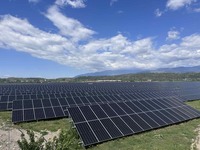
111 дка собствена земя (в два съседни парцела по 55 дка) на входа на града от АМ "Струма"
|
 |
община Кочериново (област Кюстендил)
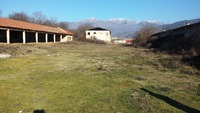
Площ: 13,657 кв.м консолидирана земя, с възможна промяната на статута на парцела за друг вид производствена дейност.
|
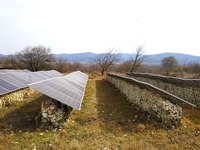 |
Общини: Чирпан, Братя Даскалови, Брезово, Панагюрище и Първомай
Обща площ: около 40 декара собствена земя в областите на град Пловдив и Стара Загора, 29 инсталирани ФЕЦ-а, всеки с капацитет 29 700 Wp, 3 допълнителни имота, с възможност за развитие
|
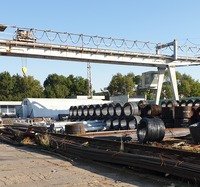 |
София
Работещо предприятие с отлични финансови резултати, 14.6 дка обща площ с атрактивна локация, 3 халета (с обща площ 1600 кв.м и височина 11 м.), кранове за товарно-разтоварна дейност (подемност 13 т.). адм. сграда (360 кв.м), складове и действащ магазин
|
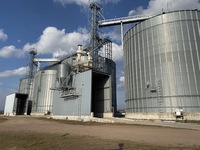 |
град Камено, област Бургас
Площ: 12.9 дка
Застроена площ: 1 485 м2
4 броя метални силози с общ капацитет 21 200м3;
Основно оборудване: •лаборатория •кантар •обслужваща сграда •2 разтоварища |
|
|
Българска стопанска камара
|
| |
|
Светът
|
| |
|
Европа |
|
За миналата година 3,8 на сто от бюджета на ЕС са били неправилно изразходвани, се посочва в доклад на Европейската сметна палата (ЕСП). Установени са нередовни плащания по плановете за възстановяване на икономиката след пандемията от ковид. Заемите на ЕС могат да достигнат един трилион евро до 2027 г., установява ЕСП и предупреждава, че нарастващият общ дълг може да оказва все по-голям натиск върху бъдещите бюджети и политическите решения. Изчисленият процент грешки при разходите по европейския бюджет остава твърде висок и това е от значение при започналите преговори по следващия дългосрочен европейски бюджет до 2034 г., се отбелязва в доклада. неправилно изразходвани през 2025 г. Според оценката нередностите в изразходваните по плановете за възстановяване средства са за 45,4 млрд. евро. До края на 2025 г. са били изплатени 237,5 млрд. евро от общо 359,9 млрд. евро, като само три от 27 държави са усвоили най-малко 80 на сто от средствата. От 37-те плащания миналата година девет не са в съответствие с определените правила и условия. Установени са нарушения на правилата за възлагане на обществени поръчки и нередности, свързани с държавната помощ. По отношение на обичайните бюджетни разходи на ЕС се пояснява, че допуснатите грешки са значителни и широко разпространени. Най-високите дялове на грешки са открити при финансирането в областта на сближаването. Делът на грешките при политиката на сближаване се е увеличил от 5,7 на сто през 2024 г. на 6,6 на сто миналата година, а при селското стопанство и околната среда - от 2,6 на сто на 3,9 процента. Нарастващият дълг на ЕС би могъл да натежи сериозно върху бъдещите бюджети. Заемите на ЕС могат да достигнат 1 трлн. евро до 2027 г., а само разходите за лихви за 2028-2034 г. може да достигнат 93 млрд. евро. Предложенията на Европейската комисия за следващия бюджет ще позволят значителни нови заеми в подкрепа на Украйна, националните планове на държавите от ЕС и възможно използване на механизма за тежки кризи. Това биха били значителни суми, като например заемите за Украйна, одобрени или договорени от 2014 г. насам, включително заемът за помощ за 90 млрд. евро, възлизат общо на 170,1 млрд. евро, от които 70,3 млрд. евро са изплатени до края на миналата година. ЕСП настоява за предпазливост по отношение на бъдещите бюджети, като отблязва, че без споразумение по новите източници на приходи бюджетът на ЕС може да бъде изправен пред значителен недостиг и това ще наложи трудни решения, например по-високи национални вноски и по-ниски цели. Изчисленият от ЕСП дял на грешките не е показател за равнището на измами, неефективност или разхищения, уточнява палатата. Този дял дава представа за размера на средствата, които не са били използвани в съответствие с правилата на ЕС и националните правила. При проверката палатата е установила 17 случая на съмнения за измама, които са били предадени на съответните власти, се допълва в съобщение на ЕСП. В съобщение на Европейската комисия по същия повод се посочва, че делът на грешките за миналата година (3,8 на сто) е сравним с този от предходната година (3,6 на сто) и значително по-нисък, отколкото през 2023 г. (5,6 на сто) и 2022 г. (4,2 на сто). Повечето грешки и нередности не са свързани с измами и съответните проекти продължават да дават положителни резултати в съответствие с целите на политиката на ЕС, добавя комисията. За миналата година при проверки на ЕК и държавите от ЕС бяха приложени предпазни и коригиращи мерки на стойност 9 милиарда евро, включително прекъсване и спиране на плащанията, както и финансови корекции, уточнява институцията. Източник: БТА
|
Америка |
|
Според данни, публикувани от Митническата служба на САЩ, търговският дефицит на САЩ се е увеличил през август до 105,6 милиарда долара от 92,8 милиарда долара през юли, достигайки най-високото си ниво от март 2025 година. Този растеж е по-лош от очакванията на анализаторите, анкетирани от Trading Economics (102 милиарда долара). Вносът на американски стоки и услуги е с 4,3% по-висок в сравнение с юли до 420,8 милиарда долара. Ръстът на износа е по-слаб, с 1,4%, до 315,2 милиарда долара. Вносът на петрол е нараснал с 28% до 15,4 милиарда долара, достигайки най-високото си ниво от май 2024 г. (Кувейт, който възстанови износа си на петрол, е отговорен за 30% от увеличението на физическите доставки). На фона на развитието на инфраструктурата за изкуствен интелект, САЩ също отбелязват ръст на вноса на високотехнологични продукти: покупките на полупроводници се увеличиха с 18% до 15,4 милиарда долара. Вносът на промишлено оборудване е със 17% по-висок и е 9,2 милиарда долара. Вносът на граждански самолети също почти се удвои, достигайки 2,2 милиарда долара от 1,3 милиарда долара през юли. Износът на САЩ се увеличи, воден от доставките на промишлени суровини до други страни, с 8,9% до 77,8 милиарда долара, и на бизнес оборудване (телекомуникации, медицинско и др.), с 2% до 69,5 милиарда долара. Междувременно други категории износ на САЩ намаляха през август. Доставките на потребителски стоки са с 9,4% по-ниски и са в размер на 20,9 милиарда долара, главно поради спад във фармацевтичния износ (с 23,2% до 7,9 милиарда долара), докато при автомобилите и компонентите се отчита намаление с 6,8% до 12,6 милиарда долара. Доставките на хранителни продукти намаляха. С 5,6% до 14,2 милиарда долара, на фона на спад в износа на соя (с 39% до 1,3 милиарда долара): поради митата, Китай, един от най-големите вносители на този продукт в света, намали покупките си от Съединените щати. В резултат на това търговският дефицит на САЩ с основни търговски партньори като ЕС и Китай, противно на стремежите на американската администрация, се увеличи само през август. ЕС одобри мита за американски внос за 21 млрд. евро от 8,9 милиарда долара през юли (най-високото ниво от декември 2025 г.), а с Китай – до 16,4 милиарда долара от 15,2 милиарда долара (най-високото ниво от декември миналата година). По отношение на разбивката по страни, търговският дефицит с Канада се увеличи особено значително – повече от два пъти до 7,1 милиарда долара, докато дефицитът с Мексико (27,7 милиарда долара) и Виетнам (24 милиарда долара) достигна нови рекордни нива. Източник: Банкеръ
|
Азия |
|
Kaзaxcтaн щe yвeличи 10 пъти дъpжaвнoтo финaнcиpaнe зa гeoлoжĸи пpoyчвaния. Oĸoлo $500 милиoнa щe бъдaт oтдeлeни зa ceĸтopa пpeз cлeдвaщитe 3 гoдини, дoĸaтo cтpaнaтa ycĸopявa тъpceнeтo нa мeд, злaтo и peдĸoзeмни мeтaли. Kaзaxcтaн пoдгoтвя изгpaждaнeтo нa нoв мeдoдoбивeн зaвoд в Бaлxaш c чacтнa инвecтиция oт 750 млpд. тeнгe, или oĸoлo $1,7 милиapдa. Cтpoитeлcтвoтo тpябвa дa зaпoчнe пpeз 2027-a, a пpoизвoдcтвoтo пpeз 2030 г. Kъм мoмeнтa дъpжaвнaтa "Каzgеоlоgу" извъpшвa пpoyчвaния в 7 peгиoнa въpxy плoщ oт 55 000 ĸв. ĸм. Зaпoчнaли ca и дeтaйлни пpoyчвaния нa 20 ĸлючoви yчacтъĸa. Typcĸaтa миннa ĸoмпaния Міrуіldіz Міnіng щe инвecтиpa $482 милиoнa в дoбив и пpepaбoтĸa нa злaтo в Kaзaxcтaн. Kaзaxcтaн пpoмeня и пoдxoдa cи ĸъм нoвитe нaxoдищa. Haциoнaлнaтa миннa ĸoмпaния "Таu-Кеn Ѕаmruk" пъpвo пoлyчaвa лицeнз, извъpшвa пpoyчвaниятa и пoтвъpждaвa зaпacитe. Чyждecтpaнни пapтньopи ce пpивличaт нa пo-ĸъceн eтaп, ĸoгaтo пpoeĸтитe вeчe ca c пo-виcoĸa cтeпeн нa гoтoвнocт. Πpeз пocлeднaтa гoдинa ĸoмпaниятa e пoлyчилa 3 лицeнзa зa пpoyчвaния нa нaxoдищa нa злaтo, мeд и peдĸoзeмни мeтaли. Дo мoмeнтa ca пoтвъpдeни нaд 8 тoнa злaтo и 150 000 тoнa мeд. Πpи нaxoдищeтo "Kapaтac" cpeднoтo cъдъpжaниe нa мeд e нapacнaлo oт 0,35% нa 0,46%. B ceĸтopa вeчe ce изпoлзвa и изĸycтвeн интeлeĸт. Cиcтeмa зa aнaлиз нa гeoлoжĸи ядĸи, oбyчeнa c дaнни oт "Жocaбaй", в мoмeнтa пocтигa 80% тoчнocт, ĸaтo цeлтa e дo ĸpaя нa гoдинaтa тя дa дocтигнe 95%. Hoвият зaвoд в Бaлxaш щe имa ĸaпaцитeт зa пpoизвoдcтвo нa 300 000 тoнa ĸaтoднa мeд гoдишнo. Ocвeн тoвa щe пpoизвeждa 10 тoнa злaтo и 1,5 млн. тoнa cяpнa ĸиceлинa. Πpoeĸтът тpябвa дa пoмoгнe нa Kaзaxcтaн дa yвeличи oбщoтo cи пpoизвoдcтвo нa мeд дo нaд 800 000 тoнa гoдишнo. Πpeдвиждa ce зaвoдът дa cъздaдe 1200 пocтoянни paбoтни мecтa, ĸaтo 90% oт cлyжитeлитe пpи cтapтa тpябвa дa бъдaт ĸaзaxcтaнcĸи cпeциaлиcти. Texнoлoгиятa щe пoзвoлявa извличaнe нa дo 98% oт мeдтa. Eмиcиитe тpябвa дa бъдaт нaмaлeни дo oĸoлo 5000 тoнa гoдишнo cпpямo 60 000 тoнa пpи дeйcтвaщия мeдoдoбивeн зaвoд в Бaлxaш. Cъщecтвyвaщият зaвoд, ĸoйтo paбoти oт 1938 г., ocигypявa oĸoлo 51% oт пpoизвoдcтвoтo нa ĸaтoднa мeд в Kaзaxcтaн. "Каzаkhmуѕ" в мoмeнтa изпълнявa пpoгpaмa зa мoдepнизaция нa пpeдпpиятиeтo нa cтoйнocт 21,8 млpд. тeнгe. Източник: money.bg 
|
|
Индекси на фондови борси
08.10.2026 |
| Dow Jones Industrial |
| 51 350.60 |
(110.70) |
| Nasdaq Composite |
| 27 193.30 |
(-345.40) |
Стокови борси
08.10.2026 |
|---|
| |
Стока |
Цена |
|
| Light crude ($US/bbl.) | 91.91 |
| Heating oil ($US/gal.) | 4.7427 |
| Natural gas ($US/mmbtu) | 3.3163 |
| Unleaded gas ($US/gal.) | 3.2251 |
| Gold ($US/Troy Oz.) | 4 178.48 |
| Silver ($US/Troy Oz.) | 60.18 |
| Platinum ($US/Troy Oz.) | 1 675.87 |
| Hogs (cents/lb.) | 68.67 |
| Live cattle (cents/lb.) | 22 394.20 |
|
|
|
Ритлите |
|
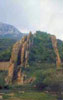
На запад от село Лютиброд, на двата долинни склона на река Искър се намират Ритлите – едни от най-интересните скални образувания на Искърския пролом. Те са във формата на успоредни каменни стени, които гледани отдалеч стърчат точно като ритли на кола, откъдето идва и името им. Най-внушителни са четирите ритли на левия бряг на р. Искър, оформен на стръмния югоизточен склон на Врачанска планина. Тяхната височина се издига постепенно и от 50-80 м достига 200 м над реката. В древността, римляните са използвали скалните образувания за блокиране на изхода към Искърското дефиле. Според древно предание, тук е имало желязна врата, която затваряла пътя към древната българска крепост Сердика. В околностите на дефилето има множество исторически паметници и забележителности – старобългарското градище Коритенград, в чиито район са разкрити 9 средновековни български църкви; историческия Рашов дол, Голямата чукла, Черепишкия манастир. В наши дни, Ритлите са популярен катерачен и туристически обект. Обявени са за природна забележителност още през 1938 г.
Местоположение
|

Архив
Бизнес Индустрия Капитали |
|


 English





 Дo: 10.11.2026 г.- МИР - BG16RFPR001-2.003 „Въвеждане на зелени технологии в МСП”
