Business Industry Capital
|
България
|
|  | |
|
Валутни курсове
(12.02.2024) |
|---|
| |
EUR |
|
1.95583 |
|
| GBP |
|
2.28913 |
| USD |
|
1.81566 |
| CHF |
|
2.07361 |
| EUR/USD |
|
1.0772* |
|
* определен от ЕЦБ |
|
ОЛП |
| |
от 01.02 |
|
3.79% |
|
|
 |
|
Инвестиране в акции – безплатна онлайн лекция на 15.02 от 19 часа
|
|
Разумното инвестиране в акции е трудно. Лекторът е инвеститор с опит в $6-милиарден хедж фонд в Лондон. Работил е в Citigroup, Goldman Sachs и $2-милиарден университетски фонд, на чийто инвестиционен съвет е бил Warren Buffett в САЩ, Англия и Хонг Конг. Завършил е Cambridge University със стипендия и Икономика в Америка. Има над 10 години опит с акции, деривати и арбитраж. Влага над 90% от собствените си пари на борсата.
|
| Запишете се тук. |
|
|
Финансови новини |
|
В периода януари - ноември 2023 г. износът на стоки от България за ЕС намалява с 9.0% спрямо същия период на 2022 г. и е в размер на 51.278 млрд. лева, сочат данни на Националния статистически институт (НСИ). Основни търговски партньори на България са Германия, Румъния, Италия, Гърция и Франция, които формират 61.1% от износа за държавите - членки на ЕС. При износа, разпределен според Стандартната външнотърговска класификация, най-голям ръст е отбелязан в сектор „Безалкохолни и алкохолни напитки и тютюн“ (13.0%). Най-голям спад се наблюдава в сектор „Мазнини, масла и восъци от животински и растителен произход“ (64.6%). През ноември 2023 г. износът за ЕС намалява с 16.5% спрямо същия месец на предходната година и е в размер на 4.52 млрд. лева. Вносът на стоки в България от ЕС през периода януари - ноември 2023 г. намалява с 2.5% спрямо същия период на 2022 г. и е на стойност 53.34 млрд. лева (по цени CIF). Най-голям е стойностният обем на стоките, внесени от Германия, Италия, Румъния, Гърция и Нидерландия. Външнотърговското салдо (износ FOB - внос CIF) на България с ЕС през периода януари - ноември 2023 г. е отрицателно и е на стойност 2.061 млрд. лева. От НСИ публикуваха и данни за търговията на България с трети страни, които показват, че износът през 2023 г. намалява с 2.9% в сравнение с 2022 г. и е на стойност 31.385 млрд. лева. Основни търговски партньори на България са Турция, Съединените американски щати, Китай, Сърбия, Украйна, Република Северна Македония и Египет, които формират 50.0% от износа за трети страни. През декември 2023 г. износът на стоки от България за трети страни нараства с 3.7% спрямо същия месец на предходната година и е в размер на 2.603 млрд. лева. Вносът на стоки в България от трети страни през 2023 г. намалява с 19.7% в сравнение с 2022 г. и е на стойност 38.766 млрд. лева (по цени CIF). Най-голям е стойностният обем на стоките, внесени от Турция, Руската федерация, Китай и Сърбия. Източник: econ.bg
Строителната продукция в България е отбелязала спад на годишна база през декември м. г. за седми пореден месец. По-голям принос за спада с 3,6% на общата продукция за първи път през миналата година е имало сградното, а не гражданското и инженерно строителство, сочат данни на Националния статистически институт (НСИ). През последния месец на 2023 г. строителството на сгради у нас се е свило с 4,5%. Това е най-голямото му свиване от януари 2021 г., сочи справка в данните на НСИ за предходни години. По-големият годишен спад на сградното строителство през декември е в контраст с тенденцията през останалите месеци от 2023 г., когато то се представяше по-стабилно от инфраструктурното строителство. Спадът на инфраструктурното строителство през декември от 2,4% е значително по-ограничен в сравнение със свиването с почти 7 на сто предходния месец. На месечна база то отбелязва ръст с 0,7% за първи път от август 2023 г. В същото време сградното строителство е записало четвърто поредно месечно понижение от 1,2% след сходен спад и през ноември. Това е тласнало надолу и общата строителна продукция, която се е понижила с 0,4%. За нея декември също е бил четвърти пореден месец на свиване. Общо през 2023 г. строителната продукция у нас е отбелязала месечен спад в седем от месеците, а на годишна база е постигнала минимален ръст само през март и през май. Източник: investor.bg
|
|
Обучение по методиката на REFA-Германия
за адаптиране организацията на
производството към световен опит, доказан в
практиката и избран от лидерите в индустрията |
 11.03-13.04.2024 11.03-13.04.2024  гр. София гр. София |
| |
 02/9814567, 0888924185 http://refa.bia-bg.com/ 02/9814567, 0888924185 http://refa.bia-bg.com/ |
|
Дружества |
|
Общите обороти в сектор Вино на България растат минимално в последните години - през 2008 г. те са били около 270 млн. лв. (за всички дружества в сектора, но без големите производители и на алкохол), а през 2022 г. са около 300 млн. лв. Над половината от тези приходи се осъществяват от 20-те най-големи дружества. Българската изба с най-големи приходи от продажба на вино е "Винекс-Славянци". През 2022 г. те надхвърлят 32 млн. лв., при това основно от износ. Бизнесът на винарната, която има мощности в Славянци, Сунгурларе, Лозарево и Карнобат, е основно на чужди пазари. Водещият е Швеция, като дружеството от много години има договор с държавния монопол в страната. Износ има също и за Дания, Белгия, Германия, Англия, Полша и други. Дружеството е собственост на бизнесмена Жеко Жеков, а винарната управлява синът му Георги Жеков. "Домейн Бойар" е на втора позиция с приходи 22 млн. лв. Около ¼ от производството на избата до Сливен е за износ, или около 1.8 млн. бутилки, по думите на изпълнителния й директор Евгени Харамлийски. Основните й пазари са Полша, Белгия, Швеция, Германия и Великобритания. До 2015-2016 г. над половината от приходите на винарната бяха от износ, докато сега вътрешният пазар доминира. През 2010 г. Маргарит Тодоров окончателно продаде избата на регистрираната на Британските Вирджински острови "Санта Ана венчърс" (която по твърдения на бранша се свързваше с основните акционери на Първа инвестиционна банка). Днес избата е собственост на Евгени Харамлийски. На трето място по приходи е "Катаржина" - 15 млн. лв., като избата продава основно на вътрешния пазар. Тя е една от малко успешни външни инвестиции в България, при това със сравнително голям капацитет от 1.2 млн. литра. Създадена е през 2006 г. до сакарското село Мезек от бившия мениджър на френския холдинг Marie Brizard (бивш Belvedere) Кшищоф Трилински. По-значителен износ осъществяват "Беса вали" , "Логодаж", "Миролио", както и "Винивел" (изба "Ямантиеви") в Сакар. Винарната "Домейн Менада" непрекъснато подобрява и експорта си, като има шанс за по-лесен достъп до чужд пазари благодарение на компанията майка - френския концерн Marie Brizard. През 2002 г. той купи избата в Стара Загора. Старият винзавод "Ловико Сухиндол", който днес е собственост на холдинг "Нов век", също продава вино на външни пазари. Източник: Капитал
Българският производител на наносателити "Ендуросат" получи преди девет месеца поредна финансова подкрепа от външни инвеститори за разширяването си от 10 млн. долара, с основен инвеститор европейският фонд CEECAT Capital. Компанията скоро ще пусне и ново поколение сателити, с което очаква да удвои приходите си спрямо 2022 г. Екипът нараства с нови 55 човека и в момента достига над 160 души. Компанията вече има офиси в шест локации по света - в България, където е основната й дейност, Италия, Франция, Люксембург, Германия и САЩ. След инвестицията на CEECAT Capital през миналата година като едноличен собственик на дружеството е вписана регистрираната в Люксембург EnduroSat. След като през миналата година "Ендуросат" завърши проекта си за чиста стая и разшири лабораториите си за тестване и сглобяване на сателити в София, през последните два месеца на 2023 г. тя вече произвежда рекордните си осем сателита на месец. През 2023 г. компанията патентова своята концепция за настолен сателит DeskSat, който представлява клонинг на намиращия се вече в орбита космически наблюдател. Върху него се разработват полезните товари (камери, сензори, експериментална апаратура и т.н.), операциите, както и командите, изпращани от контролната зала, като по този начин се намалява рискът за повреда в намиращата се в орбита техника. Като важна придобивка от компанията определят изградената чиста стая. Макар че първоначално предвидената инвестиция от 4.17 млн. лв. в крайна сметка нараства до над 5 млн. лв., което включва самата стая, както и оборудването в нея. Изпълнителят за нея е германската Viessmann Technologies, а проектът успява да приключи шест месеца по-рано от предвиденото. "Ендуросат" развива успешно партньорство по няколко програми, сред които Toliman, PADRE, "Коперник" и създаването на сателита Flamingo. Източник: Капитал
След конкурс e избран нов съвет на директорите на Държавната консолидационна компания. Новият изпълнителен директор е Константин Стойчев , а членовете са Теодора Стоянова, Елена Болтаджиева, Десислава Чалъмова и Асен Ненчев. Предишното ръководство на ДКК бе назначено временно от министъра на икономиката и индустрията Богдан Богданов през август 2023 година с хоризонт и цели на работа от 6 месеца, през които трябваше да бъде организиран прозрачен конкурс за ново ръководство. То констатира редица нарушения - компанията е била в систематично неизпълнение на Закона за публичните предприятия, сред които липсващи финансови отчети за 2021 и за 2022 година, а голяма част от дружествата към ДКК нямаха одобрени бизнес програми. Консолидационната компания бе създадена с решение на първия кабинет "Борисов" през 2010 г. като включва дружествата, в които държавата е собственик. От създаването й досега историята на компанията е публично известна със скандалите заради спорни решения и честите конфликти и смени в ръководството й. Източник: econ.bg
През последните две години в България капацитетът на фотоволтаичните паркове се удвои, като само през миналата година бяха изградени около 1.3 гигавата нови фотоволтаици. Към списъка с потенциални инвеститори в нови соларни мощности сега се включва и почетният председател на ДПС Ахмед Доган. Още през 2021 г. дружеството "Хермес Солар", чиято собственост е поделена между Снежана Карова (95%) и руския гражданин Георгий Серопян и притежава известния морски сарай на Доган в Росенец, закупува два имота от община Радомир. Те са общо 718 декара, като преди това са преобразувани от публична в частна общинска собственост от местната власт. Още шест общински имота с площ 692 декара са закупени по същата процедура малко по-рано, но от друго дружество - "Блу енержи", чийто собственици са Нина Петрова-Кашкина и Снежана Карова. Кашкина е изпълнителен директор на "Делта епсилон". Ключово за тези терени е, че се намират точно до бившия металургичен завод "ЛеКоКо" и най-вече до голяма подстанция, която може да спомогне за бързо и лесно пускане на соларна инсталация към мрежата. Въпросните 1400 декара са закупени за 107 хил. лв., което е около 80 лв. на декар. Според инвестиционното намерение до община Камено от края на 2021 г. дружеството "Био Пи Ди Солар енерджи" иска да строи 180-мегаватов соларен парк върху общински имоти в землището на село Златица. Фирмата е създадена в началото на 2021 г. и след няколко размествания в собствеността в момента е 75% собственост на "Хелиос конструкшън проджект" и 25% на регистрираната в Кипър "Терна енерджи оверсийс лимитед" (част от гръцката група Terna, позната тук със строителното си звено GEK Terna). В българското дружество "Терна" е и заложен кредитор с 8.9 млн. евро. През ноември 2021 г. община Камено дава съгласие за възмездно ползване и строеж на дружеството, като правото на строеж и сервитутите са валидни за 50 години. В соларните планове на групата попада и съвсем нов проект от края на миналата година в Казанлък. Неговият размер е по-скромен - максималната мощност там трябва да е до 50 мегавата върху терен 375 декара общински имоти около с. Кънчево. Дружеството, което е получило право на ползване за петте поземлени имота, е "Джи Ейч проект". В него 46% собственост има дуото Кашкина - Карова, а останалият дял е разпределен между Тодор Абаджиев и Христомил Рахманлиев. Източник: Капитал
Нетните приходи от продажби на продукция на „Арома“ АД – София между януари и декември миналата година намаляват до 36.46 млн. лева. За сравнение, за същия период на 2022 година сумата е била в размер на 36.72 млн. лева. „Арома“ произвежда козметични продукти, включващи пасти за зъби, бяла козметика, шампоани, бои за коса, аерозолни продукти, парфюмерия и сапуни. Основните пазари на дружеството са България и страните от Балканския регион, Европейски съюз и Близкия изток. Производствената дейност на предприятието е локализирана в София. Разходите за дейността на „Арома“ към края на декември са намалени до 34.28 млн. лв., в сравнение с 36.06 млн. лв. за същия период на 2022 година. Печалбата след данъци за януари – декември 2023 г. расте до 1.95 млн. лв. при само 589 хил. лв. за същия период на 2022 година. През последните години козметичната компания се преориентира и препозиционира и към момента голяма част от продажбите се реализират в чужбина. От началото на 2014 г. дружеството вече извършва производствената си дейност в новоизградения завод, който отговоря на изискванията за постигане на добри производствени практики, стандарт изискван от повечето световни търговци и производители. Основни за дружеството пазари са Великобритания, Франция, Скандинавските държави, България, Румъния, Балкански полуостров и Близкия изток. Там компанията има сключени директни договори с водещи търговци на едро и дребно като произвежда продукти под техни търговски марки. Основни акционери в дружеството са Harisson Management Limited, Малта с дял от 44.88% от капитала, „Новарус“ ЕООД, София – с 24.59%, Лукан Димитров Луканов – с 12.91%, Димитър Луканов Луканов – с 6.94% и Телекомплект Инвест АД, София – с 5% от акциите с право на глас. Източник: Банкеръ
|
|
Българска стопанска камара
|
| |
|
Светът
|
| |
|
Европа |
|
По данни на Евростат за 2021 г., 1,1 % от предприятията на производителите на пазара на Европейския съюз (ЕС) са били под чуждестранен контрол. Повече от половината (59,4 %) са били контролирани от предприятия от други държави от общността, а 40,6 % са били регистрирани извън ЕС. Въпреки пренебрежимо малкия си дял предприятията под чуждестранен контрол са допринесли значително за икономиката на ЕС, като са съставлявали 22,5% от добавената стойност на пазара в ЕС. Добавената стойност на предприятията под чуждестранен контрол е била най-висока в Ирландия (71,9%), Люксембург (55,5%) и Словакия (49,4%). Обратно, най-нисък дял на добавената стойност се наблюдава във Франция (14,7%), Кипър (15,6%) и Германия (16,7%). Що се отнася до броя на предприятията, делът на тези с чуждестранен контрол е бил най-висок в Люксембург (29,2%), следван от Естония (10,3%) и Полша (6,8%). В другия край на диапазона Белгия (0,1%), Италия (0,3%) и Франция (0,4%) отбелязват най-нисък дял на чуждестранните предприятия в икономиката на пазарните производители. По отношение на наетите и самостоятелно заетите лица предприятията с чуждестранен контрол представляват 15,0% от работните места в ЕС. Най-голям дял от тях е регистриран в Люксембург (43,8%), Полша (32,1%) и Ирландия (28,2%). За разлика от тях предприятията с чуждестранен контрол представляват по-малко от 10% от работните места в Гърция (7,5%), Кипър (7,8%) и Италия (9,5%). manager.bg
|
Америка |
|
Износът на селскостопански и свързани продукти от САЩ достигна стойност от 191 милиарда долара през 2023 г., което е с 10% по-малко от рекорда от 2022 г., тъй като както цените на суровините, така и обемите на доставките намаляха.Това бележи тригодишно дъно, въпреки че е подобно на нивата от 2021 г. и отразява конкуренцията от ключови доставчици, особено когато става въпрос за задоволяване на китайското търсене, пише Reuters. Данните, публикувани от Бюрото за преброяване на населението на САЩ в сряда, показват, че износът на стоки в насипно състояние, които включват продукти с най-висок дял като соя, царевица, пшеница и памук, е достигнал 10-годишно дъно като обем през 2023 г. Този обем е намалял със 17% спрямо 2022 г. - най-големият годишен спад от 1985 година. Миналогодишният масов износ на земеделски суровини от САЩ все още е на 10-годишно дъно, дори когато се извади делът на Китай, въпреки че годишният спад се свива до 10%, същото като през 2022 г., без Китай. Тези спадове се дължат на високите цени и увеличението на предлагането от конкурентни страни износителки. Най-големият износител Бразилия е отличен пример, тъй като нейните комбинирани доставки на царевица и соя през 2023 г. възлизат на близо 158 милиона метрични тона, с около 29% повече от рекорда за 2022 г. Износът на царевица плюс соя от САЩ миналата година възлиза на общо 94 милиона тона, което е спад от 18% на годишна база до четиригодишно дъно. Това неудобно затруднение за американските износители беше подчертано през декември, тъй като Китай беше дестинацията за 38% от товарите, което е спад от средната стойност за три години и от 59% за месеца. Извън търговската война от 2018 г., това беше най-ниският дял на Китай в декемврийските доставки на соя в САЩ от 2002 г. Въпреки спада в селскостопанския сектор, целият износ на САЩ, включително стоки и услуги, нарасна с 1% през 2023 г. до нов рекорд от 3,05 трилиона долара. Този годишен темп на растеж обаче е слаб в сравнение с 18% и 19%, наблюдавани съответно през 2022 г. и 2021 г. Селското стопанство и свързаните с него продукти представляват 6,2% от целия износ на САЩ миналата година, четиригодишно дъно и спад от дялове над 7% през предходните три години. По стойност миналогодишният масов износ на суровини от САЩ е намалял с 22% от най-високото ниво за 2022 г. Средната експортна цена на соята в САЩ през 2023 г. падна с 5% на годишна база, а цената на царевицата се понижи с 10%, въпреки че и двете все още бяха по-високи от 2021 г. Експортните цени на пшеницата от САЩ паднаха с 16% през миналата година, а цените на памука паднаха с 19%, като това се комбинира с големи годишни спадове на обема. Доставките на памук в САЩ паднаха с 18% на годишна база до седемгодишно дъно, а доставките на пшеница бяха най-слабите от 1971 г. насам, с 13% спад на годишна база. Износът на соево масло от САЩ през 2023 г. се срина със 76% спрямо годината, тъй като фокусът все повече се измества към вътрешната употреба, а обемът беше най-малкият в записите от 1967 г. Износът на говеждо месо и продукти от говеждо месо се понижи с 12% от най-високото ниво за 2022 г., достигайки три -годишно дъно поради оттегляне от азиатски купувачи. Не всичко беше мрачно за износа на селскостопански продукти от САЩ през миналата година, тъй като доставките на соев шрот достигнаха рекордните 14,1 милиона тона, около 10% над предишния връх, определен през 2018 г. И двете години се отличават с големи загуби на реколта в най-големия износител на брашно Аржентина, а по-добрите перспективи за реколта през 2024 г. означават увеличаването на храненето в САЩ може да е временно. Износът на свинско месо и продукти от свинско месо нарасна с 8% по обем през 2023 г., въпреки че остана под силното китайско търсене през годините 2020 и 2021 г. Скокът в местната преработка на царевица позволи на износа на етанол от САЩ миналата година да нарасне с 9% до четиригодишен връх. По стойност Канада, Китай и Мексико представляват около половината от целия селскостопански и свързан износ на САЩ през 2023 г., като Канада леко изпреварва Китай за първи път от четири години. Мексико претендира за рекорден дял от 15,6% от миналогодишния износ на селскостопански продукти от САЩ, спрямо предишния връх от 13,9% през 2022 г. Канада представлява 17,3% от общата стойност на САЩ, най-високата стойност от 2006 г. Делът на Китай спадна до четиригодишно дъно от 16,6% от рекордните 19,2% през 2022 г., а делът на Китай през 2023 г. беше подобен на наблюдавания през 2014 и 2016 г. Източник: money.bg
|
Азия |
|
През 2023 г. Китай стана основният купувач на птиче и говеждо месоот Русия. По-голямата част от износа на руско агнешкото месо е реализиран през миналата година в Иран. През 2023 г. Китай е внесъл почти 133 хиляди тона птиче месо и 21,5 хиляди тона говеждо месо от Руската федерация, а Иран - 10,3 хиляди тона агнешко месо. Най-големите купувачи на руско свинско месо през миналата година са Виетнам (85,1 хил. тона) и Беларус (78,8 хил. тона). А най-много готови месни продукти (колбаси, луканки и др.) е закупил Казахстан - почти 49 хил. тона. През 2023 г. 16 държави са отворили своите пазари за доставки на 47 вида животновъдна продукция от Руската федерация. Най-голямо увеличение бележат доставките за бивши съветски републики (Беларус, Казахстан, Армения, Киргизстан, Азербайджан) и за Азия (Китай, Виетнам, Монголия). Нарастват доставките на годишна база и за Близкия изток (Саудитска Арабия, ОАЕ) и Африка (Бенин, Кот д'Ивоар). Източник: money.bg 
|
|
Индекси на фондови борси
09.02.2024 |
| Dow Jones Industrial |
| 38 671.69 |
(-54.64) |
| Nasdaq Composite |
| 15 990.70 |
(196.95) |
Стокови борси
09.02.2024 |
|---|
| |
Стока |
Цена |
|
| Light crude ($US/bbl.) | 76.60 |
| Heating oil ($US/gal.) | 2.9481 |
| Natural gas ($US/mmbtu) | 1.8610 |
| Unleaded gas ($US/gal.) | 2.9481 |
| Gold ($US/Troy Oz.) | 2 038.70 |
| Silver ($US/Troy Oz.) | 22.67 |
| Platinum ($US/Troy Oz.) | 880.50 |
| Hogs (cents/lb.) | 73.73 |
| Live cattle (cents/lb.) | 186.00 |
|
|
|
Стефан Стамболов (1854 - 1895) |
|
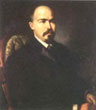
Стефан Стамболов е един от най-величаните и същевременно най-остро критикувани политици в съвременната история на България. Роден e на 12 февруари (нов стил) 1854 г. в Търново. Той навлиза в политиката след Освобождението. Започва кариерата си като борец по време на Възраждането. Учи в Одеската семинария, водач е на потушеното Старозагорско въстание от 1875 г. В първите години след Освобождението, той се хвърля енергично и ентусиазирано в борбата срещу Берлинския договор, във формирането на либералната партия и парламентарните дебати. Решимостта и способността му да различава възможното от невъзможното, го превръщат в един от най-влиятелните и уважавани политици по онова време. Избран е за пръв регент преди избирането на нов монарх в страната. Стамболов е министър-председател на България от 20 август 1887 до 17 май 1894 г. Прави много за модернизацията на страната в икономически, политически, административен и културен аспект – по негово време е изградена комплексна транспортна мрежа, създадени са много закони, поощряващи селското стопанство. Той осигурява държавна защита на стоките местно производство и подписва благоприятни търговски договори с няколко големи европейски страни. От друга страна, обаче, противниците на Стамболов има за какво да го винят: авторитарно управление, жестоко отношение към политическите му опоненти, преследване на опозицията. Неговата свръхамбициозност в крайна сметка го довежда до сблъсък с не по-малко амбициозния цар Фердинанд и слага край на политическата му кариера. След 1894 г. е подложен на различни унижения и преследвания: отказано му е разрешение да напусне страната, а имуществото му е конфискувано. На 3 юли 1895 г. е нападнат и варварски пребит от група македонци на софийска улица. Умира от раните си три дни по-късно.
|
|
Архив
Бизнес Индустрия Капитали |


 English