 |
Финансови новини |
|
Рейтинговата агенция Moody’s Investors Service определя българската банкова система като концентрирана, конкурентоспособна и стабилна, процесите на управление на риска са подобрени и съществува регулаторна и надзорна рамка, която непрекъснато се развива в съответствие с регламентите и стандартите на ЕС, се казва в актуален обзор на агенцията публикуван от Министерството на финансите. Анализаторите на Moody’s отчитат силна конкуренция на българския банков пазар, като оценяват положително участието на чуждестранни банки в местната банкова система. Източник: Investor.bg
Таванът за плащания в брой ще бъде вдигнат поне двойно спрямо първоначално предвидените 5000 лв., стана ясно при първото четене на закона за ограничаване на кешовите сделки. Парламентът гласува предложението на правителството възнагражденията и плащанията над 5000 лв. да минават само през банка. От ГЕРБ няма да подкрепим плащането на заплатите само по банков път, увери зам.-шефът на бюджетната комисия и депутат от ГЕРБ Димитър Главчев.
Източник: 24 часа
|
Приватизация |
|
Между 4 и 6 ДКЦ-та в София ще бъдат продадени, каза председателят на Столичния общински съвет (СОС) Андрей Иванов. Той уточни, че първо ще се мисли къде да се пренасочат лекарите и пациентите и едва след това ще се пристъпи към евентуалната приватизация. „Всички средства, които ще се получат от продажбата на ДКЦ-тата, ще се пренасочат към здравния сектор в София и с тях ще се финансират други общински болници“, уточни Иванов. Приватизацията на диагностично-консултативните центрове се налагала заради неефективно управление и натрупани дългове, обясни председателят на СОС. „Има ДКЦ-та, които са във входове на блокове, което не е подходящо", коментира още Андрей Иванов. Идеята за приватизация на губещите общински здравни заведения беше лансирана още през юни 2010 г. от зам.-кмета по финансите Минко Герджиков. Тогава той заяви, че едно от условията за продажбата ще бъде сградният фонд да продължи
да се ползва само за здравеопазване.
|
Дружества |
|
Кметът на община Стралджа Митко Андонов и представителите на германската фирма „ПНЕ УИНД Стралджа-Каменец" подписаха предварителния договор за отстъпено право на строеж, който визира изграждането на вятърно-енергиен парк в землището на с.Каменец. Така на практика се дава старт на сериозната работа по изпълнение на проекта според който германските инвеститори предстои да изградят на площ 94 дка в землището на селото до 30 броя генератори с очаквана мощност 54 мегавата. Подписването на договора се предшества от двустранни срещи, правни консултации, обсъждане на предложението в ОбС и вземане на конкретни решения. Източник: News.bg
„Пневматика - Серта" завърши 2010 г. с печалба. Над 650 000 евро са добра атестация за дружеството в кризисната за световната икономика година. Доволни сме, че изпълнихме всички поръчки за клиентите си в срок и качествено. Откакто предприятието носи името „Пневматика - Серта", това са най-добрите ни производствени резултати, каза изпълнителният директор на българо-френската фирма за хидравлични цилиндри в Кърджали инж. Вълчо Петков Източник: Нов живот
269 бензиностанции в страната не работят заради липса на връзка на касовите им апарати със системата на данъчните, съобщиха от приходното ведомство. Агенцията направи масови проверки за спазването на наредбата за дистанционно отчитане на продажбите на течни горива, която влезе в сила от 10 януари. Част от бензиностанциите са запечатани, а други – изобщо не са отворили, защото не отговарят на изискванията. Източник: Дарик радио
Лидл, най-бързо разрастващата се в Европа верига магазини тип дискаунтър за хранителни и нехранителни стоки, откри още два магазина от веригата си в България в градовете Пловдив и Плевен, информираха от компанията. През ноември миналата година Лидл стъпи в България с отварянето на 14 магазина едновременно на територията на 11 града, с което се превърна в сензация на българския пазар. Тази година Лидл продължават с разрастването си, като до края на годината се очаква да отворят около 50 магазина в цялата страна. Германската търговска дискаунтърска верига Лидл оперира с над 9000 магазина в 25 европейски държави. От началото на ноември 2010 г. Лидл официално пое целия бизнес на Плюс в България. Източник: Expert.bg
Владислав Панев поема контрола над УД Статус Капитал с 51% дял, показва информация в уеб страницата на Комисията за финансов надзор. На 8 декември 2010 г. КФН публикува списък с действителните собственици на управляващите дружества у нас и там като акционери присъстваха Панчо Панев с 40% , Емил Ангелов със 17,3% , Янтра Александрова, Владислав Панев и Борис Ников - с по 9,9%. В новата акционерна структура Емил Ангелов и Янтра Александрова запазват дяловете си, а Владислав Панев има 51%. "Новият фонд на управляващото ни дружество, ДФ Статус Глобал ETFs е реализирал 16% от старта си на 3 май 2010 г.", сподели Панев. Другите два фонда на управляващото дружество, а именно ДФ Статус Нови Акции и ДФ Статус финанси отчитат съответно 3% доходност и - 2% доходност за последните 12 месеца. Източник: Investor.bg
Работниците в пловдивския авиоремонтен завод „Георги Бенковски", който е част от дружество "Терем", са подготвили декларация до ръководството на предприятието. В нея те изразяват несъгласие с подготовката за преминаване на 4-часов работен ден от месец март, което ще продължи половин година. В авиоремонтния завод сега има 300 души персонал. По-голямата част от работниците получават по 150 лева възнаграждение месечно. Такова е било положението и през последните 6 месеца на 2010 година.От синдикатите подозират, че конкурентни фирми спират поръчките към завода. Те заявиха, че държавата в лицето на Министерството на отбраната е време да изпълни задълженията си да осигури работа, както е записано в приватизационния договор. 20 от хеликоптерите в армията са с изтекъл ресурс, но няма поръчки. Източник: БНТ
Съкращенията в БДЖ и Национална компания "Железопътна инфраструктура" ще започнат от 15 февруари т.г. Това стана ясно на среща с транспортния министър Александър Цветков, социалния Тотю Младенов и синдикатите. Дотогава обща работна група между ведомствата трябва да направи план за стабилизиране на дружествата. В края на м. г. кабинетът се договори със Световната банка за 600 млн. лв. заем за двете компании. Договорът обаче изисква драстични съкращения. "Няма да допуснем в БДЖ да бъдат съкратени 2800 души, а в НКЖИ 3970 човека. Още преди Коледа започнахме процедура за стачна готовност", обяви Петър Бунев от железничарския синдикат. В момента в БДЖ работят 13 000 души,
а в НКЖИ над 14 000. Министър Тотю Младенов обясни, че съкратените железничари ще участват в програми за заетост и преквалификация. Източник: Сега
|


 English


















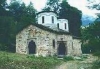 Тетевенският манастир Св. Илия е разположен в потаен дол в подножието на вр. Остреч. Строен е преди падането на България под турско робство. Според преданието цар Иван Шишман е дарил на манастира дървен кръст обкован със сребро и с изобразени на него евангелски сцени. Сборници от XVI в, съдържащи молитви, мъдрости, поучения и летописи, са запазени в манастира. През 1799 година, на два пъти, Софроний Врачански намира закрила в него от кърджалийските нашествия. Манастирската църква е с интересна архитектура. Стените на олтара са полукръгли, очертаващи трилистник. Църквата е строена на два етапа, тъй като през 1869 г. е разрушена, след което е достроена. Иконите са вградени в иконостаса. Орнаментите са със сюжет от растителния свят, а авторите са от прочутата Тревненска резбарска школа. Най-старата икона запазена в църквата е на Св. Архангел Михаил. Тетевенският манастир Св. Илия е паметник на културата.