Business Industry Capital
|
България |
|  | |
|

WEB-портал
на българските одитори

|
|
Финансови новини |
|
През 2014 година емигрантите са вкарали в България 851,2 млн. евро, което е с 86,1 млн. евро повече спрямо 2013 г., когато сънародниците ни в чужбина са превели в България 765,1 млн. евро. Това показват предварителните данни на БНБ за платежния баланс за миналата година. Парите, които сънародниците ни превеждат тук, вече са далеч под пиковите си стойности от 2008 г., когато са преведени 1,425 млрд. евро. В последните години сумата се колебае около 800 млн. евро.
Източник: Труд
Лихвите по ипотечните кредити в България са най-високите в ЕС. У нас средните лихви са 7,5%, докато в Германия са само 1,2%, сочат данни на компанията за недвижими имоти "ЕРА България". По този начин, ако човек си вземе жилище с кредит, ще трябва да плати много по-високи лихви, отколкото ако си купи апартамент в Германия, въпреки по-високата му цена. През 2014 г. средната цена на жилищата в София достига до 49 400 евро, докато в Берлин е 214 хил. евро. Ако в двете столици се купят апартаменти със заем за 20 години, в София клиентите за целия срок за кредита ще трябва да върнат 95 280 евро (от тях 45 880 евро лихви), а в Берлин - 240 960 евро (от тях 26 960 евро лихви). Източник: Стандарт
|
Приватизация |
|
Сделки за 11 015 276 лева е реализирала Столичната общинска агенция за приватизация (СОАП) през 2014 година. Всички договори са сключени след публични търгове с явно наддаване. В топ 3 са продажбите на урегулирани поземлени имоти на ул. "Филип Кутев", на ул. "Хубча" и на Околовръстното шосе. Последният е с площ 4781 кв. м и е продаден за близо 1,4 млн. лева. В плана на Столичния общински съвет за тази година са заложени скромните 20 млн. лв. от приватизация. Основните приоритети са продажба на акции и дялове от общински търговски дружества и на обособени части от имуществото им. Планирана е и приватизация на нежилищни имоти, които се използват за стопански цели. Сред по-важните обекти в годишния план са дялове от „Софийски имоти“, както и обекти в атрактивните райони „Възраждане“ и „Красно село“.
Източник: Труд
|
Концесии |
|
Междуведомствената работна група, която трябваше да излезе с решение най-късно до 15 февруари 2015 г. по казуса с концесията на ски зона "Банско", е поискала отсрочка от 10 дни, съобщи министърът на екологията Ивелина Василева. След като за пореден път разгледат всички документи и договора за концесията, експертите трябва да излязат с предложение за решаване на проблема с договора на сегашния концесионер "Юлен" за ползване на територии в национален парк Пирин.
Източник: Струма
|
Дружества |
|
Мариета Захариева е новият директор на Агенцията за насърчаване на малките и средни предприятия и наследява поста на Евгений Иванов. Захариева е работила в Първа инвестиционна банка и в Банка ДСК, била е и шеф на Асоциацията на българските износители. Има 5 г. академичен опит като преподавател в Нов български университет и в Международно висше бизнес училище - Ботевград. Източник: Сега
Bosch планира да придобие базираната в германския град Кьолн софтуерна компания ProSyst, която развива развойната си дейност от София, става ясно от съобщение на сайта на дружеството. ProSyst специализира в разработката на софтуер за „интернет на нещата", който улеснява взаимодействието между свързаните устройства и централна облачна система. Клиенти на компанията са производители на техника, автомобили и компютърни чипове, фирми от областта на телекомуникациите и енергоснабдяването. Сделката ще се реализира от дъщерното дружество на немския гигант - Bosh Software Innovations GmbH. Предстои одобрение от антитръстовите органи. Развойната лаборатория ProSys Labs започва работа през 1998 г. в София. Това е и основната производствена база на немската компания, която има и офиси в Южна Корея и Япония. В България работят около 90 от общо 110-те ѝ служители.
Комисията за защита на конкуренцията (КЗК) е взела решение да санкционира БТК с близо 812 000 лв., защото е предлагала таблети на по-ниски от доставните цени. Устройствата са предлагани от януари до юли миналата година. Глобата е 0.1% от оборота на компанията за 2013 г. Таблетите са продавани заедно с абонамент за мобилен интернет за 1 или 2 години. Жалбата срещу БТК е заведена от три фирми - "Мултимедиа БГ", "Кабел Сат-Запад" и "Вирджиния Ер Ен", които предлагат кабелен интернет в населени места около София и Перник, в Кюстендил, Дупница и региона, както и в Бургас.
Източник: Сега
Бившият инвестиционен посредник с отнет лиценз "Глобал маркетс" се представя с ново име - "Интерактив брокеридж", от 5 февруари. Това предупреди Комисията за финансов надзор в свое съобщение. "Новото наименование на "Глобал маркетс" наподобява наименованието на един от най-големите в световен мащаб онлайн брокери, а именно Interactive brokers, дружество, лицензирано да предоставя инвестиционни услуги от US Securities and Exchange Commission, САЩ, и е регулирано от US Securities and Exchange Commission, САЩ, Commodity Futures Trading Commission, САЩ и Financial Conduct Authority, Великобритания.
Източник: Капитал
Изпълнителният директор на летище "Пловдив" Иван Карнабитов подаде оставка. Карнабитов стигна до този ход след като е притиснат от персонала, който претендира за неполучени заплатни. Подалият оставка е несъгласен с начините на финансиране от страна на държавата. На служителите са били преведени едва по 200 лева вместо целите заплати. Трябваше да преведем заплатите за януари, но преведохме едва по 200 лева. Финансирането при нас идва по две направления. Първото е собствената ни търговска дейност. За 2014 година тя е подобрена с над 30 % , което в цифри прави 2 000 000 лева спрямо 1 500 000 за предходната, обясни Карнабитов. Другият източник е издръжката за изпълнение на държавни функции съгласно Закона за гражданското въздухоплаване. Именно оттук идва сегашното затруднение - за миналата година тази издръжка е намалена с 22 %. За 2013 г. тя бе 2 600 000 лева, а за 2014 г. е 2 000 000 лева, каза още Карнабитов. Източник: Преса
|
|
Българска стопанска камара |
| |
Център за компютърно обучение
към Българската Стопанска Камара |
Центърът за компютърно обучение на БСК е Майкрософт ИТ академия и оторизиран от Майкрософт център за тестване и сертифициране на компютърни умения по офис пакета на Майкрософт (MOS), единствен в България. На www.certiport.com/go можете да намерите информация за процеса за сертифициране.
Центърът предлага и обучение с ваучери по програмата "Аз мога повече" на Агенция по заетостта за дигитална компетентност по 7 програми.
|

|
Обучение по компютърни мрежи в Сиско академията:
CCNP Route - 22 март 2015 г., съботно-неделен
CCNA 2 сем. - 07 февруари 2015 г., съботно-неделен
CCNA 3 сем. - 15 февруари 2015 г., съботно-неделен
CCNA 1 сем. - м. март 2015 г., съботно-неделен
Курсове по дигитални компетенции:
м. февруари 2015 г.
Регистрирайте се онлайн сега!
|
|
|
За допълнителна информация: тел. 981 03 26
http://educentre.bia-bg.com/,
e-mail: educentre@bia-bg.com
|
| | | |
|
Светът |
| |
|
Европа |
|
Испанската Caixabank наддава за цялостно поглъщане на BPI, португалска банка, в която тя вече е най-големият акционер. Това е поредната глава от промените в португалския банков сектор. Поглъщането ще струва на Caixabank 1,08 млрд. евро, което оценява BPI на 1,94 млрд. евро. Офертата е с 27% премия над стойността на акциите на португалската банка при затварянето на търговията в понеделник. Calixabank предлага по 1,329 евро на акция за 55,9% от BPI, които не притежава. Caixabank направи изявление, че офертата зависи от придобиването на поне 50% от общия брой акции и съгласието на акционерите на BPI да приемат премахването на ограничението на правата за гласуване на акционерите. В момента BPI ограничава правото на глас до всеки отделен акционер с поне 20% от акциите. През 2011 г. португалският банков сектор получи 12 млрд. евро от общо 78-те млрд. евро международна помощ за страната. Тогава Португалия се оказа на фронтовата линия на дълговата криза в Европа и не успя да посрещне плащанията по своя дълг.
Източник: New York Times
|
Америка |
|
Стотици служители на американския технологичен гигант Apple работят по таен проект за създаване електрически автомобил. Проектът, одобрен от генералния директор на компанията Тим Кук преди около година, е получил работно заглавие Titan. Електромобилът на Apple приличал на миниван. "Автомобилният" отдел на Apple, според статията, е воден от вицепрезидента по дизайна на продуктите Стив Задески, който беше част от автомобилния концерн Ford. Иначе в Aplle е ангажиран и Йохан Юнгвирт, който до септември 2014 г. бе изпълнителен директор на Mercedes-Benz. Планирано е екипът на Apple, който ще работи по споменатия проект за производство на електромобил, да достигне най-малко хиляда души. "В момента се проучват различните видове автоматизирани механизми, метали и материали, които ще се използват в производството на автомобила", пише вестникът. Според информацията директорите на Apple вече са имали срещи с представители на множество компании, които произвеждат компоненти за водещите автомобилни марки. Източник: Wall Street Journal
|
Азия |
|
Китайският гигант в електронната търговия Alibaba Group Holding Ltd. придоби миноритарен дял в новосъздадената компания Meizu Technology Co. Инвестицията не е голяма - само на стойност 590 млн долара, но представлява най-интересната сделка в света към този момент, тъй като бележи началото на китайския мобилен поход в света. Alibaba се очертава като най-големия онлайн търговец в света, а Meizu произведе най-добрите телефони в света през последните години. Моделът MX4 на Meizu е най-добре продаваният смартфон в средния ценови клас за 2014 г. В съвместно съобщение Alibaba и Meizu информират, че ще сформират "дългосрочно стратегическо партньорство", като Alibaba ще осигурява на Meizu подкрепа по отношение на електронната търговия, докато Meizu ще предложи своя опит в операционните системи за смартфони, пазарната стратегия и физическите продажби. В момента Meizu, която е основана през 2003 г., изостава зад по-големите си конкуренти като Lenovo Group Ltd. и Huawei Technologies. Източник: Ройтерс 
|
|
Индекси на фондови борси
17.02.2015 |
| Dow Jones Industrial |
| 18 047.58 |
(28.23) |
| Nasdaq Composite |
| 4 899.27 |
(5.43) |
Стокови борси
17.02.2015 |
|---|
| |
Стока |
Цена |
|
| Light crude ($US/bbl.) | 53.53 |
| Heating oil ($US/gal.) | 1.9800 |
| Natural gas ($US/mmbtu) | 2.7600 |
| Unleaded gas ($US/gal.) | 1.5900 |
| Gold ($US/Troy Oz.) | 1 208.60 |
| Silver ($US/Troy Oz.) | 16.38 |
| Platinum ($US/Troy Oz.) | 1 177.00 |
| Hogs (cents/lb.) | 64.00 |
| Live cattle (cents/lb.) | 150.72 |
|
|
|
Манастир Аладжа |
|
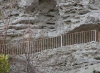 Изграждането и основаването на Аладжа манастир е свързано с феодалната епоха на българската държава. Възникнал е през 13-14 век, период през който се разпространява отшелническото движение, известен като исихазъм (бягство от живота). Особеното на този манастир е, че помещенията му се намират в изкуствени пещери - "скални помещения", издълбани на два етажа в отвесните скали на Cтара планина. Според археологическите проучвания, на първия етаж се е намирала църквата и монашеските килии, а на горния - параклиса. До него са били погребани починалите монаси. В съседство с "Kаменния манастир" са открити други помещения, затрупани от ерозиралите скали, коридори, една бронзова кадилница и части от стенна живопис. Тe са еднакви по техника и стил с другите стенописи. Нa тази база учените смятат, че Aладжа манастир е бил един манастирски комплекс. С падането на България под османско робство започват гоненията на християните. Тогава манастирът е опустошен и завинаги обезлюден. Аладжа манастир се намира на 15 км. от Варна. Той е културно-исторически паметник, който се посещава от много чуждестранни туристи.
|
|
Архив
Бизнес Индустрия Капитали |


 English