Business Industry Capital

|
България
|
|  | |
|
Валутни курсове
(19.12.2025) |
|---|
| |
EUR |
|
1.95583 |
|
| GBP |
|
2.23626 |
| USD |
|
1.66894 |
| CHF |
|
2.09943 |
| EUR/USD |
|
1.1719* |
|
* определен от ЕЦБ |
|
ОЛП |
| |
от 01.12 |
|
1.81% |
|
|
|
|
Финансови новини |
|
Всички заети в бюджетната сфера в България ще получат увеличение на заплатите от януари с размера на натрупаната към 31 декември годишна инфлация, т.е. с около 5%. Това реши Народното събрание, което прие удължителния закон за събирането на приходи и извършването на разходи през 2026 г. до приемането на редовен бюджет. Удължителният закон за бюджета, който разпорежда догодина да се харчи толкова, колкото приходи влизат в хазната, може да е в сила не повече от три месеца, но има възможност да бъде удължен с още три месеца. По данни на НСИ в края на ноември годишната инфлация е 5.2%, като се очаква тя да се задържи около това ниво и в края на декември. Този ръст ще засегне държавни и общински служители, учители, полицаи, военни, магистрати и всички, които получават възнагражденията си от държавния бюджет. Източник: Сега
Търговският дефицит на България през октомври се увеличава с 41,27% до 1,044 млрд. евро при дефицит от 739 млн. евро преди година, показват предварителните данни на Българската народна банка (БНБ). За първите десет месеца на тази година търговският недостиг е в размер на 7,083 млрд. евро при дефицит от 3,548 млрд. евро за същия период на миналата година, като расте близо два пъти на годишна база (99,63%). Износът на български стоки е 3,981 млрд. евро през октомври и за една година нараства със 76,5 млн. евро (2%). За десет месеца той достига 35,447 млрд. евро, като намалява за година с 1,317 млрд. евро (3,6%). За сравнение, от януари до октомври 2024 г. експортът нараства на годишна база с 0,2%. Вносът на стоки за октомври е над 5,025 млрд. евро при ръст с 381,8 млн. евро (8,2%) спрямо година по-рано (4,644 млрд. евро). За десет месеца той е 42,530 млрд. евро, като се увеличава с 2,217 млрд. евро (5,5%) на годишна база. За сравнение, от януари до октомври 2024 г. вносът нараства за година с 2,2%. Салдото по услугите е на плюс с 665,5 млн. евро при положително салдо от 637,9 млн. евро за октомври 2024 г. За първите десет месеца на тази година то е на положителна територия със 7,093 млрд. евро при положително салдо от 6,884 млрд. евро десетте месеца на 2024 г. Източник: investor.bg
| |

Само до 20.12.2025 -
специална отстъпка 5%
Запишете се за квалификационния REFA-курс:
Организация и управление на фирмата и оптимизация на производствените процеси
Модул 1: 09.03 - 20.03.2026 г.
Модул 2: 30.03 - 09.04.2026 г.
Инвестираш днес в лева - получаваш знанията и уменията да печелиш утре в евро.
|
Модул 1: “Организация на работни системи и процеси”:
- Организация на работното място, Ергономичен труд,Управление на процесни данни, Организация на материалния поток, Групова работа и др.
Модул 2: “Управление на производствени данни”:
- Организация в производството, Хронометриране на работно време, Нормиране, Задаване на планови времена, Проектиране на системи за възнаграждение на база производителност и др.
Международно признат сертификат от REFA-Германия.
|
|
| http://refa.bia-bg.com/, тел. 02/ 981-45-67, 0888 924185 София |
|
Дружества |
|
|
|
|

|
| |
Австралийският гигант Megaport е придобил борсата за интернет в Индия Extreme IX, която е създадена от българите Николай Горчилов, Виктор Францес и Пламен Петков. Това е по-малкият бизнес на тримата, като те са основатели и на доставчика на интернет Excitel. В България Горчилов и Францес са известни като създатели на един от първите интернет доставчици в страната, "Орбител", закупен през 2005 г. от Deutsche Telekom. Интернет борсите са точките, през които различни мрежи обменят трафик. В Индия Extreme IX държи близо 50% дял от местния пазар. Това е една от причините за продажбата - според основателите позицията им на пазара е такава, че ако продължат с органичен растеж, бизнесът не може вече да развива с високи темпове. Динамиката би изглеждала различна при големи инвестиции от компания с мащаба на Megaport. Приходите на Extreme IX за 2024 г. са малко над 10 млн. лв., като борсата е собственост на българското дружество "Екстрийм Лабс". Екипът е малко под 50 души, разделени поравно между Делхи и София. След продажбата в "Екстрийм Лабс", която има и други продукти, остават 10 души. Горчилов, Францес и Петков ще помагат на новия собственик на борсата Megaport като консултанти. Преди продажбата тримата основатели са държали около две трети от собствеността в борсата, като миноритарен дял е имал и българския фонд за рисков капитал NEVEQ. След отделянето на борсата Extreme IX от дружеството "Екстрийм Лабс" тримата основатели остават като единствени негови собственици. Преди сделката Extreme IX беше 100% собственост на "Екстрийм Лабс", което е българско дружество. Тримата продължават да имат бизнес в Индия. Освен чрез останалите продукти на Extreme Labs те са мажоритарни собственици и на доставчика на интернет Excitel. В ход е покупка на парче частна земя за АЕЦ "Козлодуй Нови мощности" - 68 декара в землището на село Хърлец, само на километри от атомната централа. Земята, която е тип "ливада", се оказва необходима заради новите реактори, които ще бъдат разположени на площадката "Козлодуй". В писмо до шефа на Българския енергиен холдинг Валентин Николов АЕЦ "Козлодуй" иска 100 млн. евро, за да купи ливадата. Това прави близо 3 млн. лева за декар. За сравнение средната цена на така наречените "затревени площи" в България през последните пет години не стига и 400 лева за декар, а конкретно за 2024 г. е 367 лв. - по данни на НСИ. Вместо държавата да проведе отчуждителна процедура и да обезщети собственика на имота по нормални пазарни цени, АЕЦ "Козлодуй", БЕХ и Министерство на енергетиката решават да преминат към директна покупка. Целта е ясна - драстично завишаване на цената, връщане на “ресто” и пълнене на партийните каси преди изборите. Тази поляна през 2013 г. е закупена за 3 млн. лева, а 12 години по-късно тя е вече 70 пъти по-скъпа, твърдят депутати от ПП-ДП. Продавачът на "златната" поляна се оказа добре познат - това е "Интерпром" ЕООД, собственост на Калоян Теодосиев, бизнесмен с интереси в енергетиката, строителството, минната индустрия. Участва в над 10 дружества, сред които "Чиренгаз", "Енергогруп", "Юг инвест строй", "Ес Ер Сюприйм Резидънс" и др. "Интерпром" е сред подизпълнителите на "Балкански поток". През 2022 г. фирмата бе глобена от КЕВР заради манипулации на пазара на ток. В. "Банкер" сочи „Интерпром“ като един от рекордьорите в държавните поръчки във ВиК сектора. Източник: Сега
Фондация „ЦСКА - Червени сърца“, с председател Валтер Папазки, е новият собственик на ПФК ЦСКА EАД, след катo “Фонд Спорт“ ООД прехвърли безвъзмездно 100% от акциите в клуба. Фондация „ЦСКА - Червени сърца“ е учредена през 2025 г. от Валтер Папазки и в нейните цели са осигуряването на финансова, институционална и медийна подкрепа на ПФК ЦСКА, работа за издигане на авторитета на клуба и сплотяване на неговите привърженици, както и да осигурява подкрепа на значими бивши футболисти, спортисти и деятели на ЦСКА. В целите на фондацията влизат също и подкрепа за клубове от различни спортове, които носят името ЦСКА. На този етап, не се предвиждат промени в структурата и ръководството на ЦСКА. Работата в клуба продължава нормално. Основни приоритети в работата на клуба остават реконструкцията на стадион „Българска армия“ и тренировъчната база на клуба в Панчарево, както и изграждането на материалната база на ДЮШ. Дейностите по тях продължават без прекъсване и по план. Източник: Блиц
"Кауфланд България" (Kaufland) откри нов хипермаркет, който се намира на ул. "Проф. Милко Бичев" №2 в столицата, в близост до парка "Заимов". Търговският обект, наречен "Кауфланд - Театрална", за първи път е разположен в жилищна сграда - част от комплекс Teatralna Park Residence, в който инвеститор е групата "Хидрострой" на Велико Желев чрез "Битумина". Иван Чернев - изпълнителен директор на "Кауфланд България", обяви че през следващата година ще бъдат отворени три нови хипермаркета, единият от които ще е в столицата. За всеки от обектите ще бъдат инвестирани между 40 и 50 млн. лева. Най-новата инвестиция - "Кауфланд - Театрална", за първи път се помещава в жилищна сграда, но отново е собственост на компанията. Купена е от "Битумина мениджмънт", дъщерно дружество на "Битумина ГмбХ България", което отскоро е собственост на Виктор Желев, син на основателя на "Хидрострой" Велико Желев. Това е 20-и обект "Кауфланд" в столицата. Той е разположен на 2000 квадратни метра търговска площ и има 150 паркоместа. Инвестицията в него е над 40 млн. лева. С нея общите инвестиции на компанията в столицата надвишават 600 млн. лева. С най-новия хипермаркет "Кауфланд" увеличава екипа си в столицата с 90 служители. Така броят на работещите в компанията в София ще достигне близо 2300 души, а в цялата страна - 8000. В престижната пловдивска АГ болница "Селена" е избухнал спор между един от създателите на клиниката д-р Ангел Ставрев и нейният собственик по документи Николай Богомилов.Сагата започна с жалбата на д-р Ставрев, че от личния му сейф са изчезнали 3 милиона лева. На 8 декември той е изведен принудително от частни гардове от кабинета му, а впоследствие и е уволнен заедно с най-близките до него лекари, акушерки и медсестри. Причина за скандала се оказаха съмненията на Богомилов, който иначе е известен като филмов продуцент и режисьор, че зад гърба му се прибират солидни суми и дори се прави опит фирмата му „Ергана Филмс“ ЕООД да загуби собствеността върху най-голямата акушеро-гинекологична болница в Южна България. Според неговата версия обявените за откраднати пари, всъщност са 1,8 млн. и са на болницата и съответно са преведени по сметките й. Не е ясно и какво превърна във врагове д-р Ангел Ставрев и Николай Богомилов, които имат и друго, дългогодишно партньорство, което не е така публично. То датира още от 2011 г. и показва, че връзката между двамата не се изчерпва единствено с управлението на едно лечебно заведение. На 27 юли 2011 г. е регистрирано дружеството „Специализирана болница за активно лечение по акушерство и гинекология Люцина“ ООД. Фирмата е със седалище в София, район „Младост“, на бул. „Цариградско шосе“ №138, и към момента е със статут „активно“. На адреса няма сграда, в която да се осъществява подобна дейност. Предметът на дейност на СБАЛАГ „Люцина“ е изключително широк – от диагностика и лечение на заболявания и родилна помощ, до рехабилитация, консултации за други лечебни заведения и дейности, свързани с трансплантация на органи, тъкани и клетки. Управител на „Люцина“ ООД е д-р Ангел Ставрев – фигура с участие в значителен брой търговски дружества. Именно той държи и най-големия дял в компанията – 50% от капитала. Останалите 50% са разпределени между турския гражданин Фарук Бенер – 25%, и „Ергана Филмс“ ЕООД – 25%. Фарук Бенер е ключова фигура и в „Аглея Хелт Груп“ ООД – дружество, регистрирано през 2019 г. със седалище в Пловдив. Компанията развива дейност в сферата на производството и търговията с козметични продукти, дистрибуция и посредничество, както и вътрешна и външна търговия. В „Аглея Хелт Груп“ Бенер притежава 50% от капитала и е един от управителите, заедно с още двама турски граждани – Барбарос Юрдаер и Селахаттин Байкал. „Ергана Филмс“ ЕООД е третият съдружник в СБАЛАГ „Люцина“ с 25% дял, но присъствието му не се изчерпва само с тази структура. Същото дружество е едноличен собственик на капитала на „Медицински център Плама“ ЕООД – лечебно заведение за специализирана извънболнична помощ в Пловдив. Настоящ управител на Университетската специализирана болница за активно лечение по акушерство и гинекология „Селена“ е д-р Катя Телбийска, която от няколко години е част от екипа. Паралелно с това тя е управител на „Медицински център Плама“ ЕООД и на тъканна банка "Селена Целс" ЕООД, която е еднолична собственост на „Плама“, а следователно и на „Ергана Филмс“. Източник: Марица
Съветът на директорите на „ИмПулс Растеж“ АД е взел решение да започне процедура по обратно изкупуване на обикновени акции, съгласно т. 6 от протокола на Учредителното събрание на дружеството, проведено на 21 януари 2021 г. Компанията ще изкупи обратно до 210 хил. собствени акции, всяка с номинална стойност от 1 лев, или 2,9717325% от капитала ѝ. Минималната цена на обратното изкупуване е 1 лев, а максималната – 1,47 лева за брой. Последната цена, на която са сключени сделки с акции на компанията, е 1,4 лева за брой. Инвестиционният посредник, който ще осъществи обратното изкупуване, е „Карол“ АД. Процедурата ще бъде осъществена до 5 март 2026 г., като може и да приключи по-рано, ако компанията изкупи максималния одобрен брой акции преди тази дата. Източник: investor.bg
|
|
Инвестиции
|
| |
|
|
| |
|
Продажби |
|
|
|
|
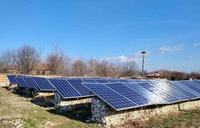 |
 Общини: Чирпан, Братя Даскалови, Брезово, Панагюрище и Първомай Общини: Чирпан, Братя Даскалови, Брезово, Панагюрище и Първомай
Обща площ: около 40 декара собствена земя в областите на град Пловдив и Стара Загора, 29 инсталирани ФЕЦ-а, всеки с капацитет 29 700 Wp, 3 допълнителни имота, с възможност за развитие
|
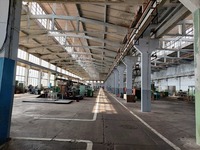 |
Област Плевен
Обща площ 34 дка, 2 халета (с обща площ 8510 кв.м) и адм. сграда (3 етажа, РЗП 2217 кв.м), работещ бизнес, добра локация, кранове за товарно-разтоварна дейност (подемност 2х1 т, 3, 5 и 12 т.)., ел.свързаност - 110/20 kV с два подземни електропровода на 20 kV, трафопос
|
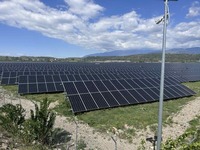 |
Благоевград
111 дка собствена земя (в два съседни парцела по 55 дка) на входа на града от АМ "Струма"
|
 |
София
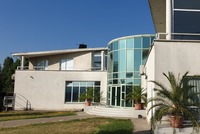
Работещо предприятие с отлични финансови резултати, 14.6 дка обща площ с атрактивна локация, 3 халета (с обща площ 1600 кв.м и височина 11 м.), кранове за товарно-разтоварна дейност (подемност 13 т.). адм. сграда (360 кв.м), складове и действащ магазин
|
 |
София център
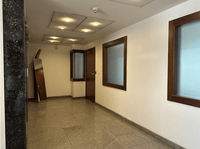
500 кв.м, функционално разпределени между open space зона, самостоятелни кабинети, зала за срещи, сървърно помещение и санитарен възел
|
|
|
Българска стопанска камара
|
| |
|
Светът
|
| |
|
Европа |
|
Финансовите задължения по новия механизъм за въглеродна корекция на границата (CBAM) ще бъдат изместени за 2027 г. вместо от началото на 2026 г. Така нареченият въглероден данък на ЕС ще бъде налаган върху вноса от трети страни на няколко въглеродно интензивни суровини - цимент, алуминий, стомана и желязо, азотни торове, електроенергия. И освен че е нова административна тежест за вносителите, той неминуемо ще оскъпи и тези продукти, като целта бе да се защитят европейските произвoдители, които така или иначе плащат за CO2. Така че новината за отлагането бе глътка въздух. От 1 януари 2026 г. засегнатите компании ще имат реални задължения - те трябва да са регистрирани, да декларират въглеродните емисии на внасяните от тях стоки и да планират "купуването" на CBAM сертификати. Самото плащане на сертификатите ще се осъществи през втората половина на 2027 г., когато ще се разплащат задълженията и за целия внос през 2026 г. Но това не означава, че се отлага и ефектът върху крайните цени. Напротив - заради натрупването на задължения за цялата 2026 г. и половината от 2027 г. наведнъж много компании вероятно ще изберат още сега да калкулират бъдещото оскъпяване в крайните си цени, за да избегнат силен финансов удар догодина. За администрирането на процеса в България отговаря Изпълнителната агенция по околна среда, която е публикувала указания за регистрация на задължените компании, въпроси и отговори. Ключовото тук е, че вносителите на стоки в обхвата на механизма трябва задължително да се регистрират като задължени по CBAM субекти. Без статус на "одобрен декларатор" от началото на следващата година според правилата те няма да могат да извършват внос на тези суровини от трети страни. CBAM (Carbon Border Adjustment Mechanism) е част от климатичната политика на ЕС. Механизмът цели да изравни конкурентните условия между европейските производители, които плащат за въглеродни емисии по схемата за търговия с тях (ETS), и вносителите от трети страни, където няма схеми за CO2 квоти и съответно нямат подобни разходи. Идеята, най-просто казано, е тези продукти да бъдат таксувани на границите на ЕС с еквивалентната европейска цена на въглеродните емисии, отделени при производството им. Например ако за производството на 1 тон стомана в завод в Турция, се отделят 2 тона CO2, таксата за вноса й ще бъде цената на 2 тона CO2 по европейската схема за търговия (ETS) - в момента тя е над 83 евро за тон. ЕК е разписала и стандартни стойности за всички групи стоки - компаниите ще могат да ги използват, ако действителните разходи за въглеродни емисии не могат да бъдат потвърдени от производителя. Тези стойности варират и в момента са обект на корекции от страна на Брюксел. Освен да защити конкурентоспособността на европейското производство, механизмът цели и да пресече така нареченото изтичане на въглерод - когато европейски компании решават да изнесат високоемисионното си производство в трети страни, където не плащат за емисиите си. Смята се, че въглеродното мито ще мотивира трети страни да изградят собствени системи за въглеродни такси, за да могат да търгуват с ЕС, който е един от големите вносители на високоемисионни продукти, като стомана например. Именно стоманата и желязото са сред продуктите, обхванати от CBAM. Другите са алуминий, цимент, водород, азотни торове, включително амоняк, който е включен изрично и като самостоятелен продукт, и като ключова суровина за торове. Митото ще се налага и върху вноса на електроенергия, на база въглеродната интензивност на енергийния микс на съответната страна производител. Механизмът ще има обаче негативен ефект върху цените на вноса и за някои сектори това е значителен проблем. Фермери и в България вече изразиха остро недоволство заради значително повишените цени на торовете, които за тях са безалтернативни. Този проблем се добавя към редица други, които удрят тежко земеделието в последните години. При вноса на електронергия също нещата са критични, тъй като цената ще стане прекалено висока - например ако в даден момент се внася ток от Турция или Сърбия, той ще е доста по-скъп, отколкото сега. Все пак формалните етапи са ясни. След като се регистрират и получат статут на "одобрен декларатор", компаниите ще трябва да декларират всяка година обема на преките емисии от производството на внасяните от тях стоки - по цените на CO2 в европейската схема за търговия (ETS) или по стандартните стойности. При някои продукти пък трябва да се декларират и косвените емисии - например при електроенергията. С пакета за административна реформа Omnibus в началото на годината финансовите срокове по механизма бяха отложени. Така например закупуването на сертификати няма да е от 1 януари 2026 г., а от 1 февруари 2027 г. Годишното деклариране и плащането на сертификатитите също е отложено - от 31 май 2026 г. на 30 септември 2027 г. Тези промени дават на предприятията допълнително време да се адаптират към новата система, но те само отлагат задълженията. В края на септември 2027 г. компаниите реално ще платят накуп сертификатите за целия период от началото на 2026 г. За някои компании разходът ще бъде от порядъка на десетки милиони. Друг фактор е, че цената на сертификатите следва пазара на въглеродни емисии, а те се очаква само да растат. Резултатът ще е поскъпване на част от вносните суровини и продукти, особено в строителството, индустрията и агросектора. С Omnibus се въведоха и още няколко важни облекчения. Първото е праг de minimis - ако общият внос на CBAM стоки е до 50 тона годишно, компанията е освободена от задълженията - както от деклариране, така и от закупуване на сертификати. Това на практика изважда от обхвата около 90% от малките вносители, без да се компрометира екологичният ефект от мярката. Облекчението обаче не се отнася за вноса на ток и водород - за тях няма de minimis. Опростени са и правилата за изчисляване на емисиите, въведени са по-гъвкави процедури за верификация и облекчен административен режим за по-малки компании. От обхвата на регламента са освободени водородът и електроенергията, произведени офшорно (т.е. в плиткото крайбрежие, където държава има изключителни права да изгражда фиксирани съоръжения за енергия) или в изключителната икономическа зона на държава - членка на Европейското икономическо пространство (ЕИП), и внесени директно в митническата територия на ЕС. Но в крайна сметка дори с отложени срокове и с облекчения CBAM от 2026 г. става реален регулаторен и ценови фактор, който ще влияе върху договорите за внос, ценовите политики, финансовото планиране и конкурентоспособност. За компаниите, които не са се подготвили навреме, регламентът може да се окаже доста неприятна изненада. Нивото на Фактическото индивидуално потребление (ФИП) на човек от населението в държавите от Европейския съюз (ЕС) за 2024 г. варира значително - от 72 до 146% от средното равнище. Потреблението се изразява чрез стандарти на покупателната способност (СПС) ) и измерва материалното благосъстояние на домакинствата, съобщават от Националния статистически институт (НСИ). Той представя данни на Статистическата служба на ЕС Евростат за материалното благосъстояние на домакинствата, базирани на ревизираните паритети на покупателната способност (ППС) и на последната актуална информация за БВП на човек от населението. Най-ниските нива на индивидуално потребление на човек от населението са регистрирани в Латвия (28%), Унгария и България - с по 27% под средното равнище в ЕС. Над средното ниво през 2024 г. са десет държави. Най-висока е покупателната способност в Люксембург - с 46% над средното равнище. Следват от Нидерландия с 20% и Германия с 19%. Още по-големи разлики между страните от ЕС отколкото при индивидуалното потребление се отчитат при брутния вътрешен продукт (БВП) на човек от населението. Показателят измерва икономическата активност. Отново десет държави бележат са над средното ниво за ЕС. Начело пак е Люксембург с 245% от средното, изпреварвайки Ирландия (221%) и Нидерландия (134%). Най-ниските нива на БВП на човек от населението са регистрирани в България - 66% от средното за ЕС, Латвия - 68%, и Гърция - 69% от средното равнище в Европейския съюз. Източник: news.bg
|
Америка |
|
Основният индекс на потребителските цени в САЩ, който изключва волатилните категории храни и енергия, се е повишил през ноември с 2,6 на сто на годишна база, което е най-бавният темп на нарастване от началото на 2021 г., сочат данни на Бюрото по трудова статистика (BLS), публикувани от Блумбърг. За сравнение, два месеца по-рано годишният ръст на основната инфлация възлизаше на 3 на сто. Общият индекс на потребителските цени (CPI) е нараснал с 2,7 на сто спрямо ноември миналата година. Анкетирани от Ройтерс анализатори очакваха ръст от 3,1 на сто. Бюрото отбелязва, че данните са събрани при затруднени условия заради продължилото спиране на дейността на федералните агенции, което е ограничило възможностите за събиране на пълния обем ценова информация през октомври и ноември. Поради това ведомството не е успяло да изчисли месечните изменения за редица ключови категории и по-широките показатели за инфлацията. Според публикуваната информация основният индекс на потребителските цени е нараснал с 0,2 на сто за двата месеца до ноември. Ограничение на ценовия натиск е отчетено при хотелските услуги, развлеченията и облеклото, докато цените на обзавеждането за дома и продуктите за лична хигиена са се повишили. Въпреки статистическите ограничения данните подсказват известно отслабване на инфлационния натиск, след като през по-голямата част от годината той се задържаше в относително тесен диапазон. След публикуването на доклада фючърсите на борсовите индекси в САЩ отбелязаха ръст, докато доходността по държавните облигации и курсът на долара се понижиха. Остава неясно дали новите данни ще окажат съществено влияние върху решенията на Управлението за федералния резерв (УФР). Миналата седмица централната банка понижи основните лихвени проценти за трети пореден път, с аргумент да ограничи риска от по-силно влошаване на пазара на труда, като в същото време в Комитета по откритите пазари продължават да съществуват разногласия относно бъдещия курс на паричната политика. Икономисти твърдят, че тежестта от митата на президента Доналд Тръмп се отразява непропорционално върху домакинствата с по-ниски доходи, които имат малки или никакви спестявания и са претърпели по-бавен ръст на заплатите в сравнение с другите работници.
|
Азия |
|
През 2025 година азиатските страни купуват по-малко петрол, въглища и втечнен газ от САЩ въпреки натиска, който оказва американският президент Доналд Тръмп, пише в коментар колумнистът на Ройтерс Клайд Ръсел. Основната причина е Китай, който през тази година започна да намалява вноса от САЩ, след като новата администрация в Белия дом наложи по-високи мита за китайските стоки. След преговори и срещи в момента митата за вноса от Китай са средно 47,5%, сочат още данните на Ройтерс. По данни на пазарните наблюдатели в Kpler вносът на петрол от Азия през 2025 година намалява до 1,43 млн. барела дневно, което е видимо отстъпление от миналогодишните 1,56 млн. барела и рекордните 1,65 млн. барела през 2023 година. Основен вносител на американския петрол в Азия се оказва Южна Корея, която беше принудена да се съгласи да купува повече американски стоки, подписвайки търговско споразумение. Но дори и делът на Сеул се увеличава минимално - до 470 хил. барела дневно спрямо 465 хил. барела през 2024 година. Япония записва двоен ръст на вноса, но пък нейният дял в общия азиатски внос не е толкова голям - 84,5 хил. барела дневно. През 2024 година в страната са влизали по 34 хил. барела американски петрол на ден. Данните за Китай сочат, че вносът на американски петрол намалява с 84% до 38,3 хил. барела дневно. Значително е намалението и по отношение на вноса на втечнен газ в Китай - намалението е от 94% до 250 хил. тона. Като цяло вносът на втечнен газ от САЩ, които се превърнаха във водещ износител, в Азия намалява до 19 млн. тона спрямо 29,8 млн. тона през миналата година. Япония е най-големият вносител с 4,49 млн. тона, но дори и там има значително намаление - през 2024 година Токио купи 6,5 млн. тона втечнен газ от САЩ. Почти наполовина намалява и вносът на американски втечнен газ в Индия - до 2,9 млн. тона, показват още данните на Kpler. Отношенията между Индия и САЩ се обтегнаха доста през есента, след като Вашингтон наложи мита в размер на 50% върху вноса на индийски стоки в опит да спре Ню Делхи от покупките на руски петрол. Индия все пак е най-големият пазар на американски въглища в Азия - с дял от 61% от целия внос, или 21,7 млн. тона. Това обаче е много лош сигнал за САЩ, ако отношенията им с Индия се влошат през 2026 година. Източник: investor.bg 
|
|
Индекси на фондови борси
18.12.2025 |
| Dow Jones Industrial |
| 47 888.36 |
(-16.50) |
| Nasdaq Composite |
| 23 006.40 |
(-313.04) |
Стокови борси
18.12.2025 |
|---|
| |
Стока |
Цена |
|
| Light crude ($US/bbl.) | 55.85 |
| Heating oil ($US/gal.) | 2.1266 |
| Natural gas ($US/mmbtu) | 3.6757 |
| Unleaded gas ($US/gal.) | 1.7003 |
| Gold ($US/Troy Oz.) | 4 321.35 |
| Silver ($US/Troy Oz.) | 65.35 |
| Platinum ($US/Troy Oz.) | 1 919.98 |
| Hogs (cents/lb.) | 87.68 |
| Live cattle (cents/lb.) | 215.58 |
|
|
|
Белица |
|

Белица се намира в Югозападна България, на 76 км от Благоевград. Първите писмени доказателства за съществуването на селището са от началото на XVI в. По- голямата част от населението е помохамеданчено в края на XVII в. По време на Възраждането основният поминък на хората е земеделието, животновъдството и дърводобивът. Беличките жители участват в Илинденско-Преображенското въстание, несъгласни с подписания Берлински мирен договор, според който македонските територии остават в пределите на Османската империя. След неговото потушаване Белица е опожарена като повече от 475 къщи са унищожени, а над 120 души убити. Все пак освобождението на града идва през 1920 г. с помощта на над 260 белички четници. Един от символите на Белица е изградената през 1835 г. църква, която изгаря по време на въстанието. След Освобождението тя е възстановена на още по-видно място. През 2000 г. на 12 км. от Белица е отворен първият на Балканите и в Източна Европа Парк за танцуващи мечки. Областта на парка е покрита с естествени гори, поляни и водни площи, множество езера за къпане и пещери за зимен сън.
Местоположение
|
Архив
Бизнес Индустрия Капитали |
|


 English






 До: 13.03.2026 г.- Интеррег - Втора покана за проектни предложения за малки и средни предприятия (МСП)
